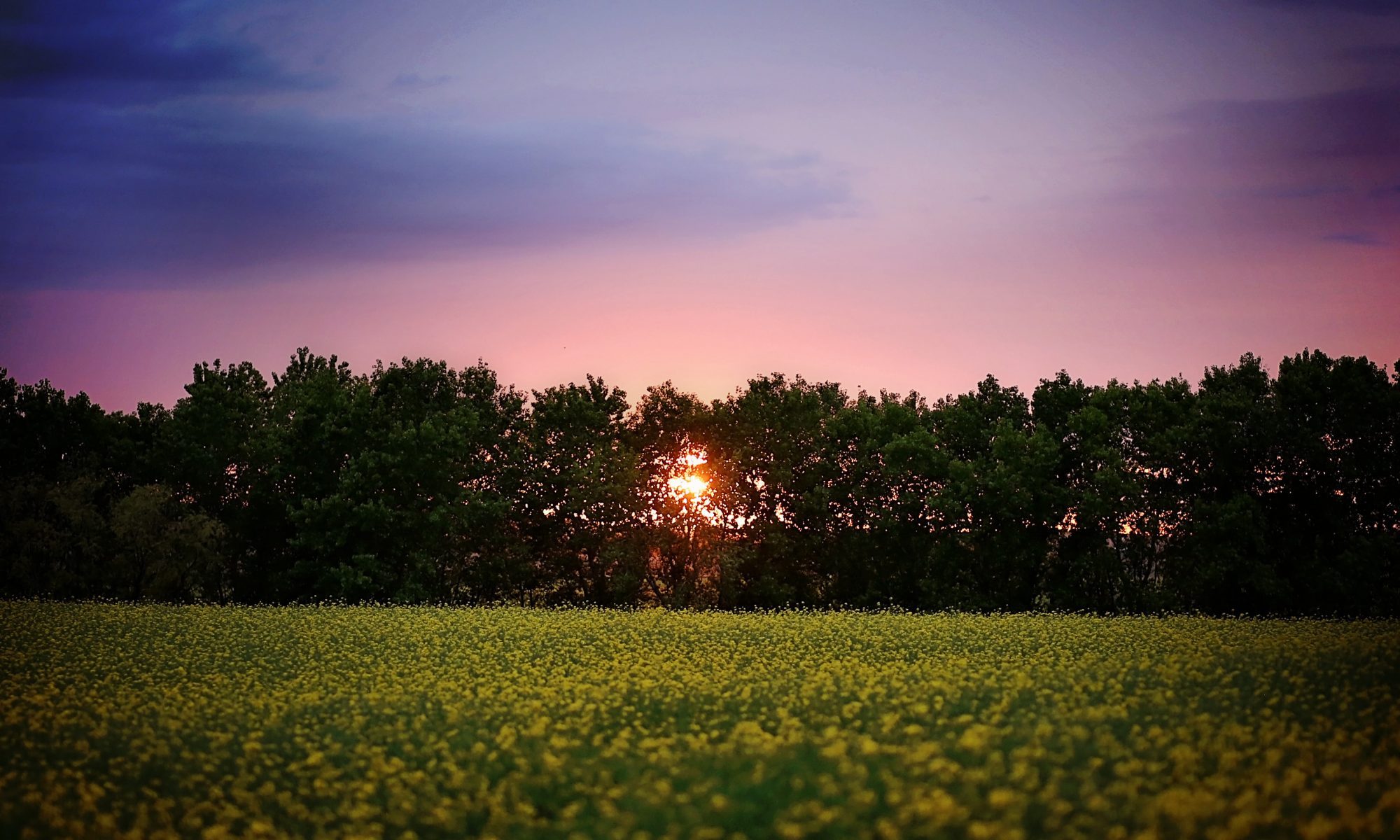
Autumn colour along Kansas’s Gypsum Hills
The Gypsum Hills take on a softer, warmer character in autumn. Red earth, pale limestone and native grassland form the backdrop for leaves turning gold, amber and rusty red across Barber County. For Australian visitors, the landscape feels different from the dense eucalyptus forests around Melbourne or the deciduous displays near Canberra, yet the seasonal change is just as rewarding.
The best viewing comes from slowing down rather than chasing one famous lookout. A backroad drive, an unhurried picnic or a short walk can reveal cottonwoods beside a creek, sumac glowing along a fence line and isolated trees brightening the open prairie. The colour is scattered through the landscape, so the journey matters as much as the destination.
Timing varies with rainfall, temperature and the first hard frosts. Early colour may appear in September, while October often brings the strongest contrast between the hills’ red layers and autumn foliage. Local conditions can change quickly, making it sensible to check with Medicine Lodge businesses or the area chamber before setting out.
Australians planning a school-holiday road trip should allow more time than a typical regional drive at home. Distances between services can be substantial, mobile reception may be inconsistent and many routes are quiet gravel roads rather than sealed tourist highways. A full tank, an esky and offline maps are practical additions to the itinerary.
Find colour beside the water
Cottonwood trees are among the most dependable places to see a strong seasonal display. Look for them along creeks, low ground and sheltered bends where moisture supports taller growth. Their leaves can turn yellow in broad, luminous patches, particularly when the late-afternoon sun reaches across the valley.
The red and rugged Gypsum Hills provide a striking contrast. Near Medicine Lodge and through the surrounding Barber County countryside, isolated trees stand out against exposed slopes and prairie. Sumac, shrubs and roadside vegetation may add orange and crimson notes, while the grasslands shift from summer green towards muted gold.
Take the scenic road slowly
A self-drive loop through the hills gives visitors the best chance of finding changing colour. Roads around the area can move from pavement to gravel, so a vehicle with sensible clearance is useful. Drivers accustomed to travelling on the left in Australia should take extra care when adjusting to right-hand traffic, wide American intersections and long stretches without obvious landmarks.
Cyclists can also experience the landscape at a gentler pace, provided they plan carefully for wind, distance and limited services. A useful starting point is this cycling route guide, which can help shape a ride through Barber County’s backroads. Carry more water than expected, tell someone your route and avoid assuming every road has a nearby servo.
Plan the best time of day
Morning light makes the hills feel crisp and expansive, while late afternoon brings richer shadows and warmer tones. The hour before sunset is especially effective for photographs, when red soil and yellow leaves seem to intensify. Cloudy conditions can also work well by reducing glare and bringing out subtle variations in the foliage.
A flexible schedule is better than a fixed promise of peak colour. Use these practical markers when planning a half-day or full-day outing:
- Check recent local reports for frost, wind and leaf development
- Allow extra time for gravel roads, photo stops and wildlife
- Choose creek crossings, sheltered valleys and lower slopes first
- Keep sunset travel on familiar roads rather than remote tracks
Families may prefer a short walk followed by a picnic near town, while keen photographers can spend hours looking for the contrast of foliage and gypsum rock. For visitors used to Australian national parks, the open setting may feel less enclosed, so shade and shelter should be considered when choosing a stopping point.
Pack for an open-country outing
Autumn days can begin cold and finish comfortably warm, with a sharp drop in temperature after sunset. Layers are more practical than a single heavy jacket, especially for travellers from Queensland or northern Australia who may not be accustomed to Kansas mornings. A broad-brimmed hat, sturdy shoes and sun protection remain useful even when the air feels cool.
Bring the basics for a self-sufficient country visit:
- Water, snacks and a small esky for a roadside picnic
- Warm layers, gloves and a wind-resistant outer jacket
- Offline maps, a charged phone and a portable battery
- Binoculars or a camera with spare batteries
- Cash or a card for local shops, cafés and attractions
Respect private property and leave gates as you find them. Pull completely off the road before stopping for photographs, and avoid walking into fields or pasture without permission. Supporting local cafés, retailers, galleries and accommodation providers helps keep seasonal travel valuable to the wider Medicine Lodge community.
See the landscape behind the scenery
The Gypsum Hills are more than a colourful autumn backdrop. Their red formations, working ranches and broad horizons have helped create the visual language of classic Western films. Visitors interested in that cultural connection can explore the hills’ film history while planning a foliage drive.
A good nature outing can be simple: pause often, observe how the light changes and let children or companions choose a few stops rather than rushing between landmarks. This nature outing guide also reflects the value of turning a local landscape visit into an active, memorable day outdoors.
Ask the Medicine Lodge Area Chamber of Commerce or local operators about current road conditions, seasonal events, places to eat and nearby attractions. Then set out with a full tank, a camera and enough time to enjoy the fall foliage color change in the Gypsum Hills at its own pace.