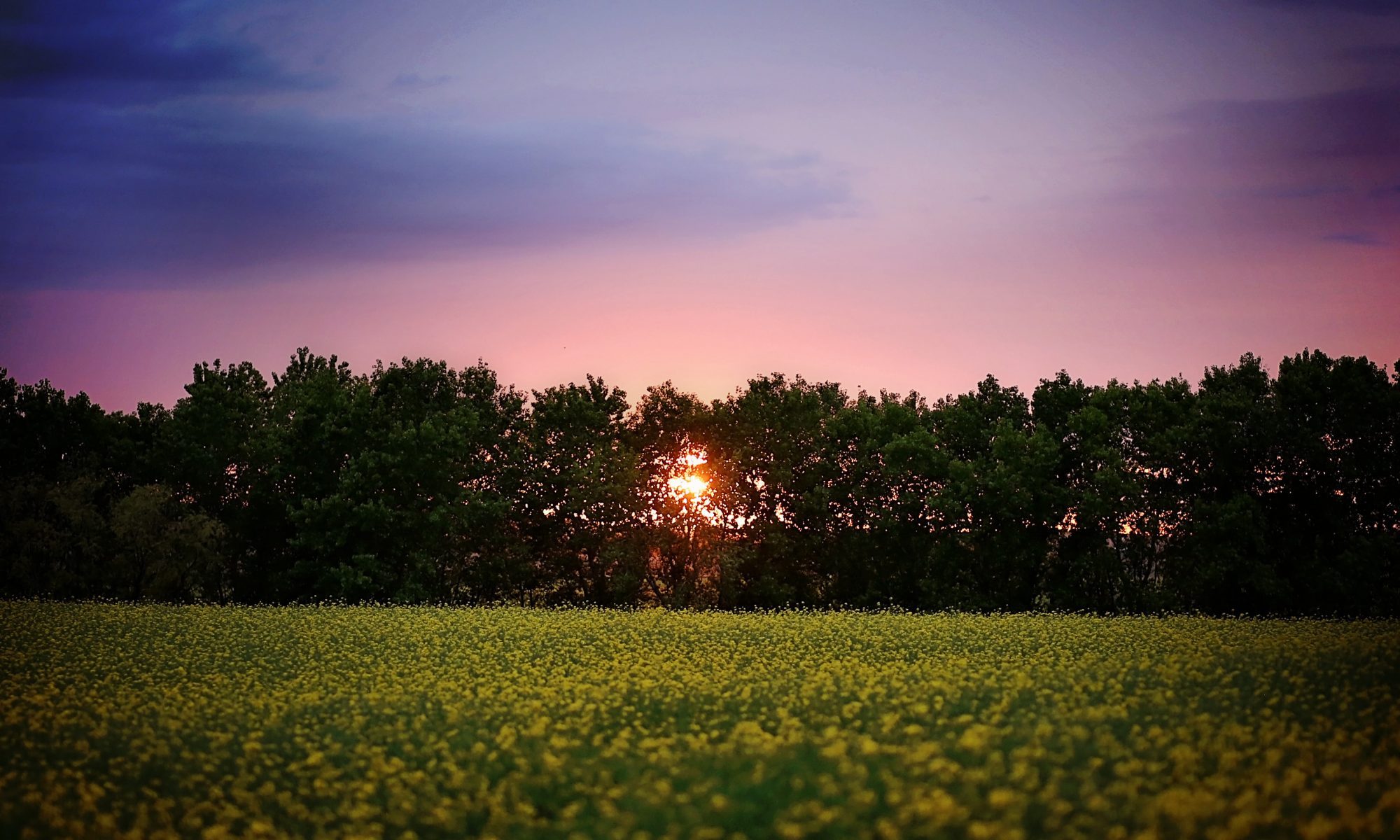
flower watching in the Gypsum Hills near Medicine Lodge
The rolling red buttes and cedar canyons of the Gypsum Hills come alive each spring with a short, vivid season of colour. From early April through late May, native wildflowers paint the prairie in shades of scarlet, gold, and violet, drawing photographers, road-trippers, and nature lovers to the back roads of Barber County. The bloom window moves with the weather, so visitors planning a trip benefit from checking local updates before setting out.
For travellers used to long drives between regional towns — the same kind of planning that shapes a weekend run from Sydney to the Blue Mountains or from Melbourne to the Grampians — Kansas offers a quieter, wider version of that adventure. The Gypsum Hills sit about a two-hour drive from Wichita, and the small-town pace of Medicine Lodge gives the journey a welcoming finish. Anyone who has chased the wildflower trails of Western Australia will recognise the patience this landscape rewards.
Timing the bloom and reading the weather
The bloom season follows the rain, not the calendar. A wet March pushes flowers into April, while a dry winter delays peak colour into late May or even early June. Local ranchers and chamber staff can give the most current read on what is opening along the back roads, so calling ahead before a drive is well worth the effort. The first warm stretch after a soaking usually pulls Indian Paintbrush and Prairie Phlox into view.
This unpredictability is familiar to anyone who has planned a wildflower holiday along Australia's Coral Coast, where the season shifts year to year. Travellers based in Adelaide, Perth, or regional Queensland towns learn to plan flexibly, and the same mindset works here. Aim for at least a three-day window so a slow start does not waste the trip.
Prime stretches of road and prairie
The most photographed wildflower displays cluster along the Gypsum Hills Scenic Byway, a winding route that climbs and dips through red-soil mesas and shinnery oak flats. Pull-offs near the junction of US-160 and K-2 offer quick walks into the grassland, while longer hikes leave from trailheads a short drive east of Medicine Lodge. Early morning light catches the dew on spiderwort petals, which is when the hills glow most intensely.
Many visitors combine a drive with a stop at the state fishing lake just north of town, where wildflowers crowd the shoreline and herons fish the shallows. The chamber office keeps printed maps highlighting recent sightings, and these are handy for anyone unfamiliar with the patchwork of county roads. Cell coverage drops in the canyons, so downloading an offline map before leaving Medicine Lodge is a smart move.
Flowers worth slowing down for
Indian Paintbrush is the headline act, appearing in dense sweeps along the hillsides. Look closely for the rarer scarlet form that grows in the chalkier soils. Prairie Phlox opens in pale pink clusters, while Blazing Star sends up tall purple wands that butterflies cannot ignore. In damper draws, the Compass Plant shows its broad leaves pointing north and south, a curiosity that often surprises first-time visitors.
Native grass species frame the show, with big bluestem and side-oats grama providing the textured backdrop that visitors from semi-arid regions of New South Wales or Queensland will recognise at a glance. Birdwatchers from Brisbane or Hobart will notice familiar genera too, with meadowlarks and sparrows filling the hedgerows. Bringing a small field guide or a plant ID app helps confirm what is in bloom each week.
Pairing the visit with the town's character
A wildflower trip pairs naturally with the heritage streets of Medicine Lodge itself. The Carry A. Nation House, the Carrie Nation memorial, and the restored downtown storefronts offer a slow afternoon away from the prairie heat. Several locally owned cafes serve lunch, and the Saturday market fills the courthouse square when the season is in full swing.
For an evening that leans into local folklore, the seasonal Medicine Lodge ghost walk explores legends and haunted sites threaded through the town's brick-front buildings. Many visitors book a tour on the same weekend as their wildflower drive, making a short getaway feel layered and complete. The walk runs only at certain times of year, so checking the schedule before travel is wise.
Photographing the bloom without damaging it
Stay on established pull-offs and marked trails, since the Gypsum Hills ecosystem recovers slowly from foot traffic. A long lens lets photographers fill the frame with paintbrush clusters without trampling the surrounding stand. Early and late light brings out the reds and purples far better than the harsh midday sun that flattens the colours.
Australian travellers will recognise the same Leave No Trace principles promoted in national parks back home, where state council signs in NSW and Victoria ask visitors to stick to formed paths. Australia's strict biosecurity rules also discourage carrying plant material across the border, so leaving flowers and seed heads in place keeps everyone on the right side of the law. The same care that protects a meadow of Sturt's Desert Pea in outback Queensland protects a hillside of Phlox in the Kansas hills. Pack out anything you bring in, and leave the flowers for the next traveller.
The Medicine Lodge Area Chamber of Commerce welcomes visitors year-round and helps connect travellers with local guides, lodging, and current bloom reports. Membership and visitor enquiries can be directed through the chamber office, and business owners interested in serving the spring tourism season are invited to explore the chamber's resources and events calendar.