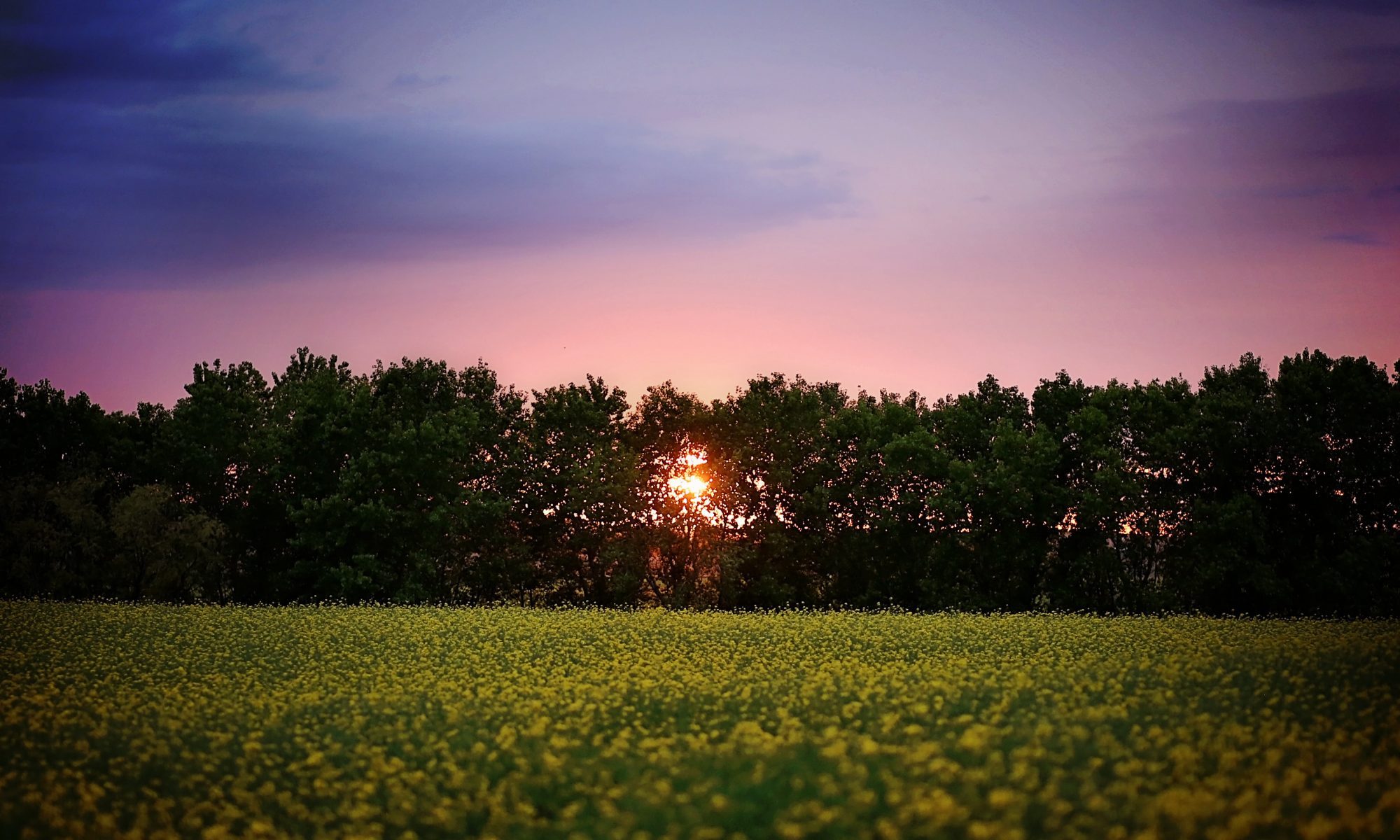
Volunteer at the Gypsum Hills Scenic Byway Visitor Center
Tucked into the rolling red buttes and silver-green scrub of south-central Kansas, the Gypsum Hills Scenic Byway Visitor Center welcomes travellers who want to understand the geology, pioneer history and Indigenous heritage of Barber County. Australians who have road-tripped through the Red Centre or trekked the rim walks of the Kimberley will recognise the appeal of a landscape painted in layered sediment and lit by big skies.
Volunteering here offers a hands-on way to give back while spending time in a place that feels surprisingly familiar to anyone who grew up around the Breakaways or Wilpena Pound. The centre welcomes retirees, grey nomads crossing the Great Plains, and students needing practical experience, with roles that match a wide range of skills and schedules.
A Gateway to the Gypsum Hills
The visitor centre sits at the eastern approach to the byway, just off Highway 160, and acts as the first stop for anyone driving the 42-mile loop. Inside, exhibits explain the white gypsum capping the mesas, the cattle-drive routes of the 1870s, and the cultural significance of the Medicine River. Volunteers become informal interpreters, answering questions about local history, wildlife and the best photography stops at dusk.
The role suits people who enjoy a good chat. Australians who have volunteered at places like Kakadu's Bowali Visitor Centre will find the rhythm similar: greet, listen, point, recommend. The trick is reading each visitor quickly and knowing when someone wants a long chat about the geology and when they just need directions to the nearest servo.
Daily Responsibilities of a Volunteer
A typical shift covers four to five hours and includes opening or closing the centre, restocking brochures, logging visitor numbers, and tidying the interpretive displays. On busier weekends during the autumn colour season, volunteers also step outside to help with parking and hand out walking-trail maps. Light gardening around the native wildflower beds keeps the grounds sharp through the long Kansas summer.
Some volunteers develop a special interest, such as leading short geology talks for school groups or assisting with the centre's small museum collection. Others prefer the steady rhythm of the front desk, where they might help a backpacker plan the next leg of a coast-to-coast trip.
Who Thrives in This Role
The centre looks for people who are comfortable speaking with strangers and who can stay calm when a tour bus pulls up unannounced. A background in hospitality, teaching or tourism is helpful but not essential; what matters more is a genuine curiosity about the region and a willingness to learn the local stories. Many successful volunteers describe themselves as "people persons" who enjoy a yarn at the footy canteen as much as they enjoy a quiet afternoon in the garden.
Physical fitness needs are modest. The building is single-storey and accessible, and most shifts involve standing and walking short distances rather than heavy lifting. Fluency in another language is a bonus, particularly Spanish, since the centre draws visitors from across the Americas.
Steps to Apply and Get Trained
The simplest path begins with a phone call or email to the Medicine Lodge Area Chamber, which coordinates placements alongside the wildlife and parks staff who run the site. Prospective volunteers complete a short application, supply references, and attend an orientation afternoon covering safety procedures and interpretive standards. New recruits then shadow an experienced volunteer for two or three shifts before flying solo.
Training continues after orientation. Each season the chamber hosts refresher sessions, and volunteers are encouraged to attend field trips to the byway's most photographed spots. These outings build the kind of on-the-ground knowledge that turns a pleasant greeting into a memorable recommendation.
Time Commitment and Seasonal Patterns
Summer is the busiest period, with July and August bringing the largest crowds during the running of the Medicine Lodge Peace Treaty Pageant. Autumn cools things down but draws leaf-peepers from Wichita and Oklahoma City, while spring is popular with school excursions and motorcycle touring clubs. Winter shifts are shorter and quieter, which suits volunteers who want a slower pace.
Most volunteers commit to one shift per week, though the centre welcomes weekend-only helpers and snowbird visitors who want to take on extra hours during a long stay. Flexibility is built into the roster, and swapping shifts is as easy as sending a text message.
The Personal Rewards of Volunteering
Beyond the satisfaction of welcoming travellers to a part of the world that many overlook, volunteers regularly mention the friendships they form with fellow helpers and the deep dive into local history they did not expect. Several long-term volunteers have gone on to lead walking tours during the autumn festival, turning a hobby into a meaningful retirement project.
The centre also recognises its volunteers with an annual appreciation dinner, free chamber membership perks, and invitations to private events held at nearby heritage ranches. For Australians passing through on an extended stay, the role offers a chance to feel part of a small-town community without the long-term commitment of a paid position.
If a few hours behind the desk and a friendly face for travellers sound like your kind of afternoon, drop a line to the visitor centre coordinator today and ask about the next intake. A quick conversation is all it takes to swap the everyday routine for work that genuinely makes a difference to a small community and the many visitors who pass through it each year.