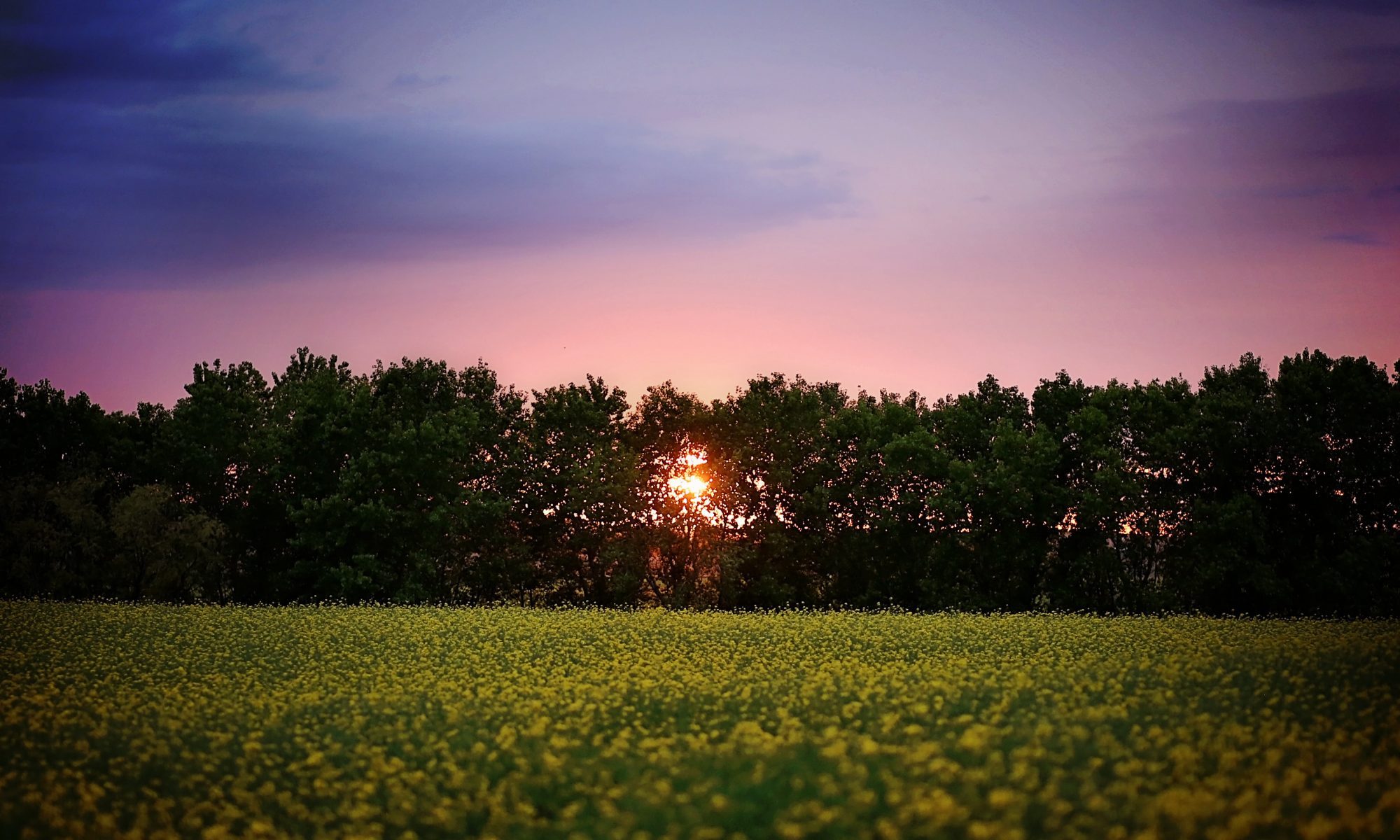
Bringing the Barber County Prairie Home
The rolling grasslands of south-central Kansas carry a quiet drama that rewards anyone who stops long enough to notice. Wind moves through big bluestem and switchgrass in waves, while coneflowers and milkweed anchor the soil and feed pollinators through the hottest months of summer. For Australian gardeners accustomed to drought-aware planting and bush-style landscapes, recreating something of that prairie character offers a fresh design vocabulary built on resilience and seasonal rhythm.
Prairie gardens draw their strength from deep-rooted perennials that evolved alongside unpredictable rainfall and hungry herds. The same principles translate remarkably well to parts of Australia where heat, wind, and limited summer moisture define what survives in a domestic yard. Gardeners in Adelaide, Hobart, and inland Victoria already work with comparable constraints, making the prairie model a practical template rather than a foreign curiosity.
Barber County sits in a region where native plant communities have been studied, restored, and celebrated for decades. Visitors who travel there often return with renewed interest in low-input landscapes that feed bees, birds, and beneficial insects while asking very little in return. A well-planned prairie garden delivers that experience at home, scaled to a suburban block or a broad acreage.
The path from inspiration to established planting takes a little patience and a fair bit of planning, but the rewards grow year after year. The guidance below walks through selecting species, preparing soil, planting, and caring for a thriving patch of prairie wherever you live.
Reading the Prairie Before You Plant
Healthy grasslands follow patterns worth copying. The tallest grasses form the upper canopy, mid-height wildflowers weave through the middle layer, and low-growing legumes and sedges knit the ground together. Mimicking this structure in a home garden creates visual movement and ecological function at the same time, since each layer supports different insects, birds, and soil microbes.
Climate matters as much as plant lists. Barber County sees cold winters, hot summers, and most of its rainfall during the growing season, a profile shared with parts of inland New South Wales and the Murray Mallee region of South Australia. Matching plants to these rhythms means choosing species that go dormant in cool months and burst into growth when warmth arrives.
Before ordering seed, walk your property at different times of day and notice where water collects, where wind hits hardest, and how the sun tracks across the yard. A site assessment of an hour or two prevents costly mistakes and helps you place taller species where they will not shade a vegetable patch or block a favourite view.
Choosing Plants That Earn Their Keep
The backbone of any prairie planting is a mix of warm-season grasses. Little bluestem, Indiangrass, and sideoats grama form the structural trio in much of Kansas, offering bronze autumn colour and seed heads that persist into winter. For Australian conditions, consider blending with native grasses such as kangaroo grass, wallaby grass, or windmill grass, which provide similar texture and ecological value.
Wildflowers do the colour work. Purple coneflower, black-eyed Susan, butterfly milkweed, and wild bergamot are dependable performers across a range of soils. If you prefer to keep the palette strictly Australian, try purple everlasting, golden everlasting, or native flax lilies for comparable form and pollinator appeal.
Reliable warm-season grasses to anchor the planting:
- Little bluestem for copper autumn tones
- Kangaroo grass as a hardy Australian substitute
- Indiangrass for height and golden plumes
- Sideoats grama for delicate seed chains
When sourcing seed, look for suppliers who can confirm provenance and seed viability. The Medicine Lodge Area Chamber of Commerce maintains a useful directory of regional resources and contacts that can help travellers and researchers connect with local growers and native plant experts.
Preparing the Ground
Prairie plants dislike rich, heavily fertilised soil, which encourages floppy growth and weak roots. If your existing lawn is dense and irrigated, plan a full season of preparation. Smothering grass with cardboard and mulch, or solarising the area under clear plastic during the hottest weeks, reduces competition without bringing in herbicide.
A soil test tells you whether pH or nutrient extremes need correction. Most prairie species tolerate a wide range, but very acidic or alkaline sites may benefit from a single amendment. Avoid the temptation to add compost across the whole bed, since leaner ground favours the deep taproots that make prairie plants so drought tolerant.
Edging the bed with a shallow trench or stone border keeps neighbouring lawn grass from creeping in during establishment. This small investment of labour pays off for years, particularly in places like Brisbane or Perth where warm-season lawn grasses grow aggressively through the warmer months.
Planting and First-Year Care
The best window for sowing seed in temperate climates aligns with the start of the wet season or the warming shoulder months. Autumn sowing works well across much of southern Australia, giving seeds a cool, moist period to stratify before spring growth. Spring sowing is also reliable, though it demands more careful watering through the first summer.
Scatter seed thinly over raked, firmed soil and press it in with a roller or the back of a rake. Covering lightly with weed-free straw helps retain moisture and hides seed from hungry birds. Mark the area clearly so foot traffic does not compact the soil while seedlings are establishing.
Watering during the first growing season is the most labour-intensive phase. Deep, infrequent soakings encourage roots to chase moisture downward, building the resilience that defines mature prairie plantings. By the second year, most well-chosen species handle extended dry spells with little or no supplementary irrigation.
Seasonal Maintenance Through the Year
Prairie gardens ask for less attention than conventional lawns, but they are not no-maintenance. An annual late-winter cut to around fifteen centimetres removes accumulated thatch and makes way for new growth. Leave the cut material in place as mulch where it does not smother small plants.
Annual tasks that keep a prairie thriving:
- Cut old growth to fifteen centimetres in late winter
- Hand-pull invasive seedlings before they set seed
- Divide crowded clumps every three to four years
- Rake away heavy debris after strong winds
Weed control in the early years is mostly hand work. Spot-spraying or pulling invasive seedlings before they set seed keeps the planting true to its design. Once the prairie matures, dense root systems and full canopy shade naturally suppress most weeds.
Dividing congested clumps every three to four years keeps vigorous growers like coneflowers and milkweed productive. Sharing divisions with neighbours is a satisfying way to spread both plants and interest in this style of gardening.
Adapting the Look for Australian Yards
Translating a Barber County prairie into a Melbourne courtyard or a Canberra acreage calls for a few thoughtful swaps. Kangaroo grass and poa varieties can replace bluestem, while everlasting daisies and native pelargoniums echo the colour and pollinator value of American wildflowers.
Water-sensitive councils across Australia encourage plantings that reduce reliance on mains supply. A prairie-style bed fits comfortably within rebate programs offered in regions such as Sydney's western suburbs and parts of regional Victoria, where rebates of several hundred dollars help offset the cost of establishing native gardens.
Fire safety also belongs in the conversation. In bushfire-prone zones around Adelaide Hills, Perth Hills, and the Tasmanian east coast, keep tall grasses away from the home and maintain clear, irrigated zones next to structures. The prairie aesthetic can still flourish in the right setting with careful siting and a respect for local conditions.
If a trip to Kansas is on your horizon, browse Medicine Lodge accommodation options and start planning a visit that combines botanical inspiration with a taste of prairie heritage. The mix of resilient plants, ecological function, and seasonal beauty that defines the Kansas plains is waiting to be reimagined in your own backyard, wherever you call home.